Every year, in January and February, we start receiving messages and phone calls that all ask the same question: “When is the right moment to bottle?”
The answer we give is always the same our father gave us, and that his father gave him: watch the moon.
This is not superstition. It is a centuries-old practice rooted in direct observation by those who made wine every year, on the same soil, with the same grapes, and noted when things went well and when they went wrong. In this article we give you the complete 2026 lunar phase calendar with precise dates for bottling, and explain why it genuinely works.
The four lunar phases and what they do to wine
The moon completes a full cycle in about 29.5 days. Each cycle has four key moments, each with a different influence on bulk wine.
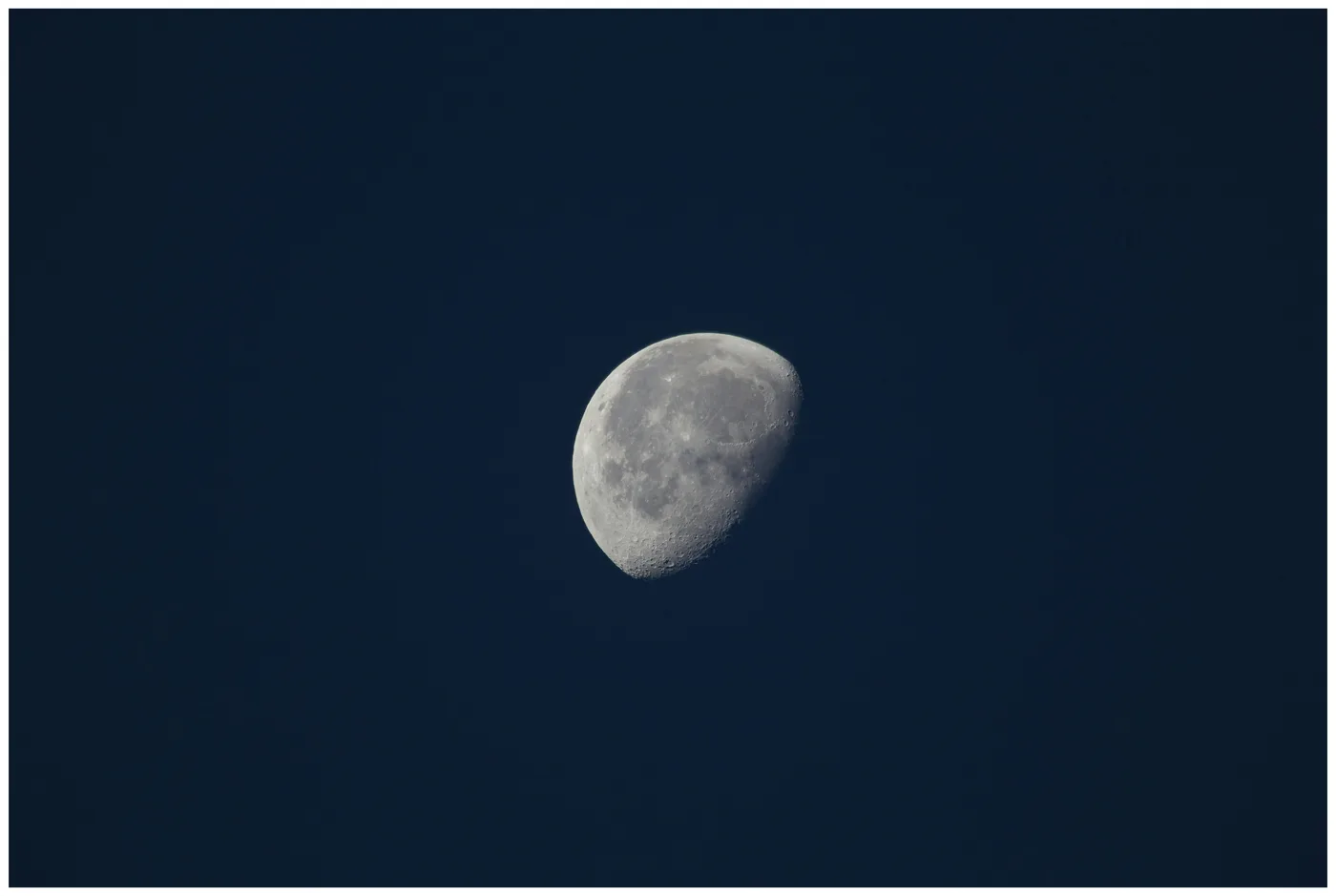
New Moon: avoid
This is the transition moment. Pressure is unstable, and wine behaves unpredictably. Those who bottle on the new moon tend to end up with cloudy wines prone to re-fermentation. Better to wait a few days.
Waxing Moon: for lively wines
During the waxing moon, gravitational pressure increases and gases dissolved in the wine — including CO₂ — tend to rise towards the surface. The wine is livelier, more vibrant, more expressive.
This is the ideal moment if you want a light wine with a natural light effervescence. Fresh white wines and young reds bottled at this time retain freshness and vivacity.
Full Moon: for racking
The full moon is the moment of the wine’s fullest expression: it is at its aromatic peak, clearest and most structured. Traditionally this was the moment for racking (transferring wine from one container to another to separate it from sediment). For bottling itself, you can do it, but the 2 days immediately around the full moon tend to produce slightly more agitated wines — better to wait 2–3 days.
Waning Moon: the best choice for bottling
From the Last Quarter to just before the New Moon, lunar pressure decreases. Sediment settles to the bottom, CO₂ remains dissolved, and the wine is at its most stable. This is the ideal phase for bottling:
- The wine is more clear and stable
- Re-fermentation in the bottle is less likely
- Structured red wines destined for ageing express their character best
Here in Roncadelle we follow this rule for all the wines we bottle: Raboso, Cabernet, Merlot. We rack on the full moon, we bottle on the waning moon.
The scientific reason
The moon’s gravitational force is real: just look at the tides. This force also influences the pressure of water in the soil, in plants, and to a subtle degree in biological liquids like wine. CO₂ dissolved in liquid responds to pressure variations: with high pressure (full/waxing moon) it tends to “emerge”; with low pressure (waning moon) it stays “settled”.
There is also a more concrete explanation rooted in Venetian farming tradition: waiting for the right moon meant waiting for the right seasonal moment. Those who bottled on the waning moon of March did so after the February frosts, when the wine had stabilised. Those who waited for the waning moon of October bottled after the harvest and the first tumultuous fermentation. The moon was a natural calendar that synchronised cellar operations with the vine’s cycle.
Whether it’s the moon, the pressure, or simply the wisdom of the right moment — the result is the same: a better wine.
2026 bottling calendar, month by month
Here are the four lunar phase dates for 2026, with the waning moon windows (best for bottling) highlighted for each month.
| Month | Full Moon | Last Quarter | New Moon | First Quarter |
|---|---|---|---|---|
| January | 3 Jan | 10 Jan | 18 Jan | 25 Jan |
| February | 1 Feb | 9 Feb | 17 Feb | 24 Feb |
| March | 3 Mar | 11 Mar | 19 Mar | 25 Mar |
| April | 2 Apr | 10 Apr | 17 Apr | 24 Apr |
| May | 1 May | 9 May | 16 May | 23 May |
| June | 30 Jun | 8 Jun | 15 Jun | 22 Jun |
| July | 29 Jul | 7 Jul | 14 Jul | 21 Jul |
| August | 28 Aug | 6 Aug | 12 Aug | 20 Aug |
| September | 26 Sep | 4 Sep | 11 Sep | 18 Sep |
| October | 26 Oct | 3 Oct | 10 Oct | 18 Oct |
| November | 24 Nov | 1 Nov | 9 Nov | 17 Nov |
| December | 24 Dec | 1 Dec | 9 Dec | 17 Dec |
Waning moon windows (ideal for bottling)
The waning moon runs from the Last Quarter to the New Moon. Here are the windows for each month of 2026, with the most suitable central days:
January: 10–18, best on 12–16 January
February: 9–17, best on 11–15 February
March: 11–19, best on 13–17 March
April: 10–17, best on 12–15 April
May: 9–16, best on 11–14 May
June: 8–15, best on 10–13 June
July: 7–14, best on 9–12 July
August: 6–12, best on 8–10 August
September: 4–11, best on 6–9 September
October: 3–10, best on 5–8 October (traditional post-harvest period)
November: 1–9, best on 3–7 November
December: 1–9, best on 3–7 December
Which period to choose based on the wine
Not all wines are bottled in the same season. The question we receive most often concerns when to bottle reds and whites. Here are our practical tips.
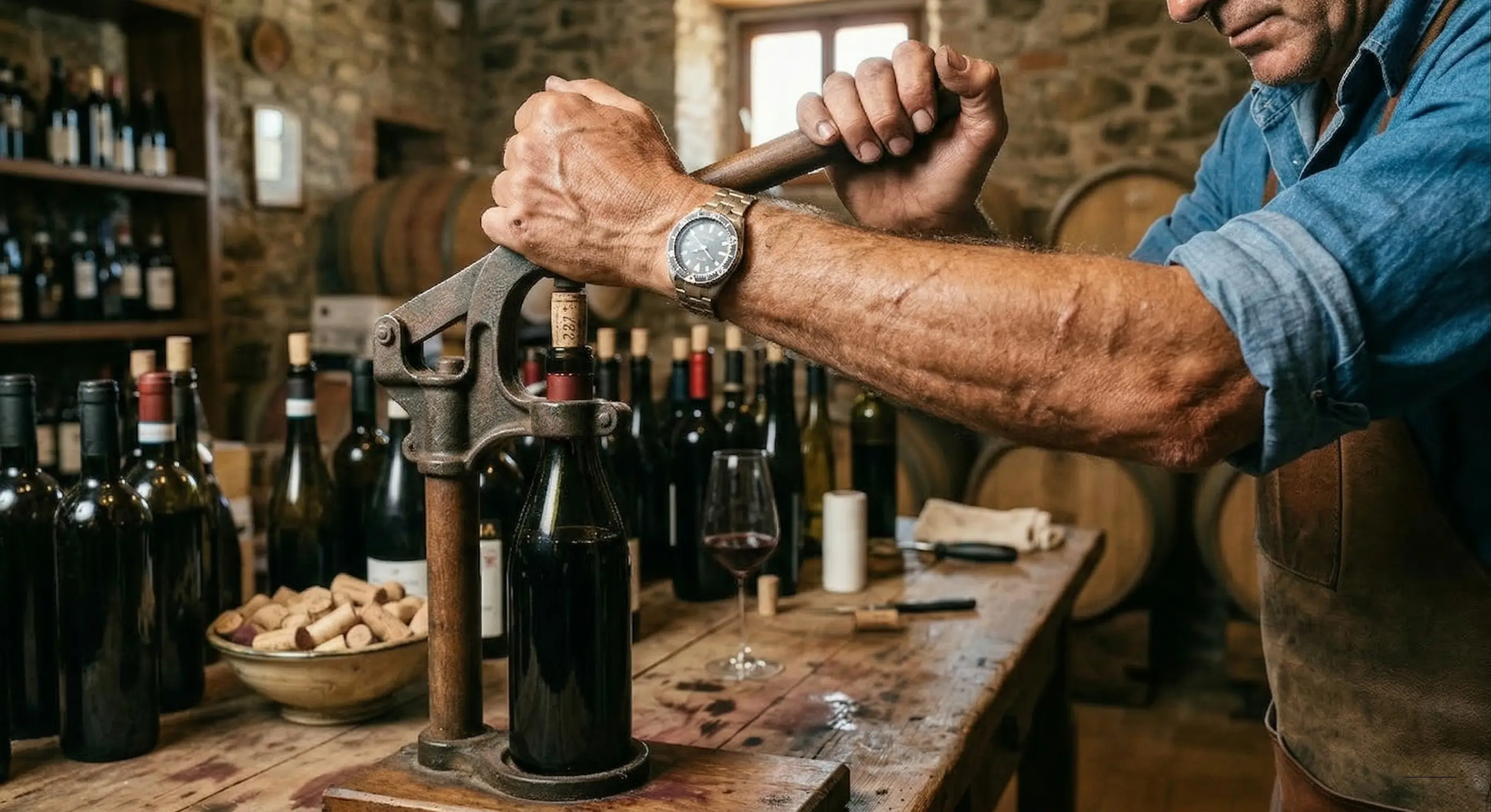
White and rosé wines (Grigio di Bosco, Chardonnay, Rosa di Bosco)
Best bottled in spring, before summer heat accelerates their transformation. If you collect your white in December or January, wait a little longer — there’s no benefit to rushing.
- Recommended 2026 windows: waning moon of February (9–17 Feb) or March (11–19 Mar)
Young reds for early drinking (Merlot, light reds)
Available from late December, they can be bottled as early as January or February for those who want to start enjoying them in spring. They don’t need long ageing.
- Recommended 2026 windows: waning moon of January (10–18 Jan) or February (9–17 Feb)
Structured reds for ageing (Raboso, Cabernet, Merlot reserve)
These need time to stabilise: at least 12–18 months from harvest. For the 2025 vintage, the best windows fall in autumn 2026, after the wine has completed its evolution in the cellar.
- Recommended 2026 windows: waning moon of October (3–10 Oct) or November (1–9 Nov)
- Note: on 3 March 2026 there is a full moon with total lunar eclipse — a rare event that some consider particularly favourable for racking
Sparkling bulk wines
Sparkling wines behave in the opposite way: the waxing moon is their ally. Bottled under the waxing moon, they better retain their vivacity and natural bubbles.
- Recommended 2026 windows: waxing moon of March (25 Mar – 3 Apr), April (24–30 Apr) or May (23–31 May)
A tradition worth keeping
We have been in the cellar since 1860. We have seen almost everything change: machinery, techniques, consumer tastes. But the lunar calendar has stayed.
Not because we are romantics. Because it works. And because those who understood it before us had something to teach us.
If you are buying bulk wine from us this year and want to know when to bottle it, bring a test bottle: we’ll taste it together and tell you what condition the wine is in and what the right moment to proceed would be.