If you know Raboso del Piave, you’ve probably heard it said: “You need a good steak with that one.” And they’re not wrong — with grilled meat it’s outstanding. But Raboso is a wine with such a strong, layered personality that limiting it to a Sunday barbecue is like using a surgeon’s scalpel to open tin cans.
We have been producing it for over 160 years here in Roncadelle di Ormelle, in the heart of the Piave DOC. And over all these years, we’ve learned that Raboso knows how to surprise — especially at the table.
First of all: what is Raboso del Piave?
Raboso is a native dark-skinned grape variety that grows in the alluvial plain between Treviso and Venice, along the course of the Piave river. You won’t easily find it elsewhere. Its vines grow on the same type of glacial gravel and clay soil that shaped this plain over millennia.
The name probably comes from the Venetian dialect: rabbioso, meaning vigorous, sharp, with character. And character, Raboso has in abundance.
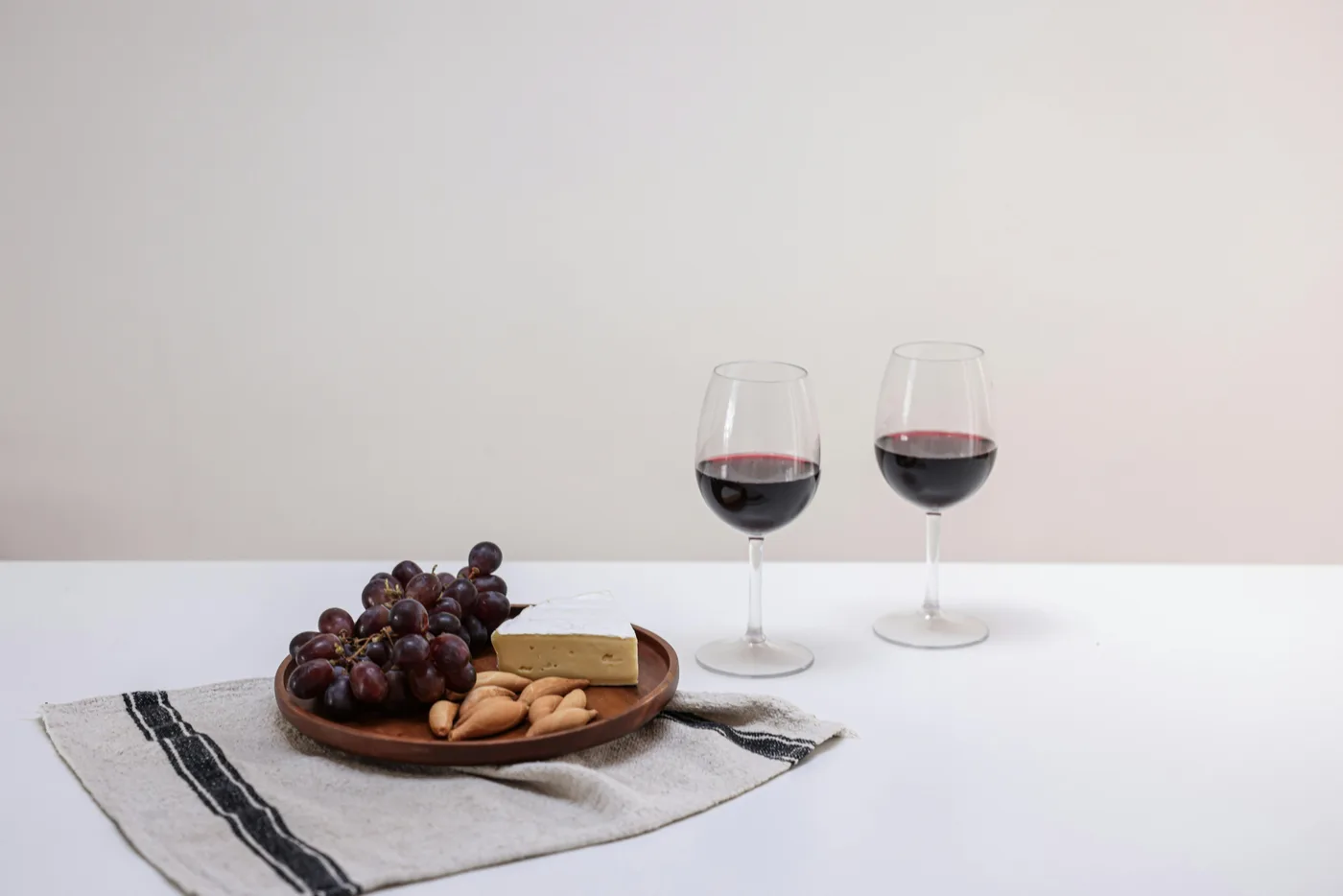
What to expect in the glass:
- Deep ruby colour, almost garnet with age
- High acidity, among the highest of Italian grape varieties, giving it that cutting freshness
- Important tannins, astringent when young, which soften over time into something magnificent
- Aromas: young wines offer red fruits, violet, blackberry, redcurrant. With ageing: black pepper, leather, tobacco, balsamic notes
Before bringing it to the table: serving temperature 16–18°C in wide Bordeaux glasses. If you have a bottle with a few years behind it, decant for at least 60–90 minutes. Raboso needs to breathe — once it opens up, it never stops giving.
The classics that never fail
Let’s start with the obvious, because the obvious is often obvious for a good reason.
Grilled red meats: rib-eye steak, tagliata, Florentine T-bone. Raboso’s tannins melt against the meat’s proteins, the acidity cuts through the fat and prepares the palate for the next bite. A perfect cycle.
Game: wild boar in salmi, venison stew, roe deer with apples. Game has earthy, musky aromas that speak the same language as aged Raboso. This was the classic pairing of hunting cuisine in the Treviso area.
Duck alla veneta: pan-roasted with sage and butter, or oven-roasted with aromatic herbs. The fat of the duck finds in Raboso’s acidity the perfect counterweight.
The Treviso dish you must try with Raboso
There is one pairing that in our area is considered almost sacred: Raboso with Figà a la Venessiana — Venetian-style liver with onions.
It seems an odd match at first. The liver is soft, sweet from the caramelised onions, delicate. Raboso is tough, acidic, tannic. Yet it works in an extraordinary way.
Raboso’s acidity cuts through the liver’s fat and contrasts the sweetness of the onions. The tannins structure the mouthful. The wine softens, the liver is elevated. This is what sommeliers call a “contrast pairing”, and when it works, it’s unforgettable.
Another unmissable Treviso classic: Raboso with peverada sauce. Peverada is an ancient sauce typical of the Treviso area, made with chicken livers, anchovies, black pepper, parsley and lemon. It is traditionally served over boiled capon or Padovan hen, or roast guinea fowl. The spicy, acidic profile of peverada is in perfect harmony with Raboso’s structure.
The surprising pairings (that convince)
Pasta e fagioli with cotechino sausage: these might seem like dishes for lighter wines, but the Venetian version of pasta e fagioli — with lard, mixed pasta shapes and rich broth — calls for a wine with acidity and structure. Young, fruity Raboso is the ideal partner.
Treviso radicchio tardivo: grilled, with a drizzle of olive oil and shavings of Grana. The late radicchio is bitter, with that almost medicinal note that makes it unmistakeable. Raboso’s tannins pair by structural concordance: two strong personalities that respect each other without one overwhelming the other.
Polenta and porcini mushrooms: Raboso with a few years of ageing develops earthy and woodland notes. Meeting the umami profile of porcini at this moment is almost a revelation — the wine seems to want to speak of the forest from which the mushrooms came.
Aged cheeses: many are surprised here. Asiago vecchio DOP with Raboso is a classic Treviso pairing. Even Grana Padano Stravecchio holds up beautifully — the granularity of the cheese and its decisive flavour engage with the tannins without either overpowering the other.
Braised beef in red wine: and not just any red wine — with Raboso itself. Long slow cooking in a casserole with Raboso, onion, carrot and celery produces meat that melts in the mouth, perfumed with everything the wine carries within it. Serve with white polenta.
Raboso Passito: the sweet chapter
Few people know this, but Raboso also exists in a passito version, obtained by drying the grapes on racks for weeks before a late harvest. The result is a completely different wine: sweet, dense, with notes of candied cherry, dried plum, tobacco, resin.
With Raboso passito, unexpected pairings open up:
- Blue cheeses: Gorgonzola, Stilton, Roquefort. The sweet-pungent contrast is one of the great classics of food and wine pairing
- Dark chocolate 80%+: the bitter-sweet contrast between the dark chocolate and the passito is an experience worth having at least once
- Sour cherry tart or morello jam crostata: the red fruits in Raboso passito resonate with the sour cherries, amplifying both
Serve chilled, 12–14°C, in meditation wine glasses. It is not a wine for the whole meal — it is a wine for the end of the evening, to be savoured slowly.
Advice from the winery
Young Raboso can be demanding: that tannic chewiness and pronounced acidity can disorient those used to softer wines. Our advice is always the same: don’t rush it.
Decant it. Give it air. And pair it with a dish that has fat, structure or intense flavours — the kind that Raboso transforms rather than covers.
If you’d like to taste our Raboso before buying, come to the winery. The tasting counter is always open during opening hours.